


-

Add: HeBei ShengShi HongBang Cellulose Technology CO.,LTD.
-

Email
13180486930@163.com -

CONTACT US
+86 13180486930





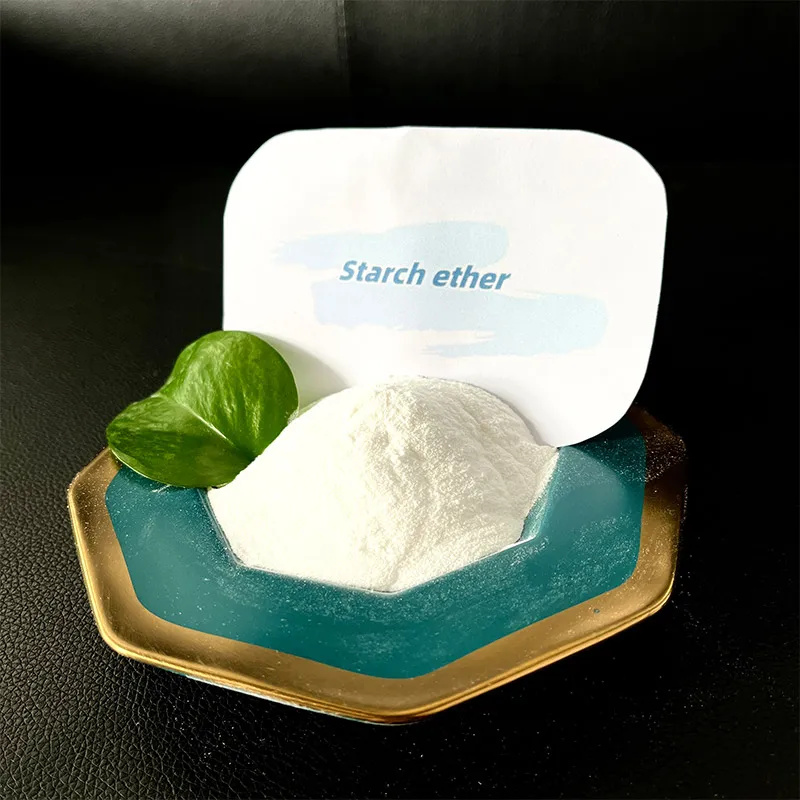
Hydroxypropyl distarch phosphate (HDP) is an essential modified starch used across a variety of industries , from food production to pharmaceuticals. Its unique properties make it a preferable choice for manufacturers looking to improve the texture, stability, and shelf-life of their products. This article delves into the multifaceted benefits and applications of HDP, drawing on the expertise of industry professionals and real-world experiences to provide a comprehensive understanding. At its core, hydroxypropyl distarch phosphate is a chemically modified starch made by introducing hydroxypropyl groups into the starch molecule. This modification grants the starch increased stability against heat, acid, and shear, making it invaluable especially in processes involving high temperatures or high shear mixing. For food scientists and manufacturers aiming to enhance the quality of processed foods, HDP offers several advantages. It significantly improves the texture and mouthfeel of culinary products. In sauces and gravies, for example, HDP functions as a thickening agent that withstands the rapid heating and cooling cycles often encountered during production or usage. The stability provided by HDP ensures that products retain their desirable consistency over time, thereby extending shelf life and maintaining consumer satisfaction. Moreover, HDP's compatibility with other ingredients is a significant boon for food formulation. It allows for seamless integration into a wide array of recipes, providing uniformity and consistency without compromising flavor or aroma. From baked goods that require moisture retention to dairy products needing a specific creamy texture, the versatility of HDP is crucial. The expertise in producing hydroxypropyl distarch phosphate extends beyond its functional benefits. Producers must adhere to stringent safety and quality standards to ensure that the modified starch is safe for consumption. Regulatory bodies such as the FDA and EFSA approve the use of HDP within specific limits, attesting to its safety when used accordingly. Expert manufacturers implement rigorous quality control processes, analyzing each batch to affirm compliance with these standards, thereby instilling trust in their product. hydroxypropyl distarch phosphate When addressing the pharmaceutical industry, HDP is especially important. It serves as a disintegrant in tablet formulations, aiding in the efficient release of active ingredients once ingested. This functionality is vital for the efficacy of many medications, where precise control over disintegration time affects overall therapeutic effectiveness. Real-world experiences emphasize the transformative power of HDP in product development. Experienced R&D teams often recount how the introduction of this starch into their formulations allowed them to overcome significant challenges, such as achieving the desired viscosity in low-temperature processing or stabilizing emulsions where traditional starches failed. Establishing trustworthiness in HDP's use involves comprehensive documentation and transparency about the sourcing, processing, and application methodologies. Industry leaders in starch modification frequently engage in partnerships with academic institutions and research organizations to remain at the forefront of innovation and application. In practice, using HDP requires understanding its interaction with other components in formulations. Experts recommend starting with small experimental batches to fine-tune the quantity needed for desired outcomes. Experience has shown that while HDP is robust, achieving perfect results may require some tailoring based on the specific matrix in which it is used. In conclusion, hydroxypropyl distarch phosphate is much more than just a modified starch; it's a cornerstone additive that underpins the efficiency and quality of numerous products across diverse industries. Its verified safety, coupled with substantial expert backing, renders it a trustworthy component in the relentless pursuit of product excellence. By leveraging both the experience and profound expertise surrounding HDP, manufacturers can significantly enhance the quality, safety, and appeal of their offerings, ensuring consumer satisfaction and fostering long-term success.
- 40000tons

Production
- 20+years

Experience
- 5000+㎡

Acreage

-
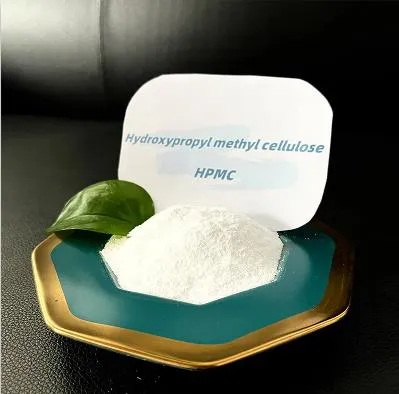
Hydroxypropyl methylcellulose (HPMC) is a versatile cellulose ether that has gained significant traction in various industries, particularly in construction. Its unique properties make it an essential additive in construction materials, enhancing performance and improving the overall quality of building products. This article explores the applications of HPMC in construction, highlighting its benefits and contributions to the industry. What is Hydroxypropyl Methylcellulose? HPMC is a non-ionic, water-soluble polymer derived from cellulose, a natural polymer found in plant cell walls. It is produced through the chemical modification of cellulose, resulting in a compound that exhibits excellent thickening, binding, and film-forming properties. HPMC is available in various grades, each tailored for specific applications, making it a highly adaptable material in construction. Applications of HPMC in Construction Cement-Based Products : One of the primary applications of HPMC in construction is in cement-based products such as mortars, plasters, and tile adhesives. HPMC acts as a thickening agent, improving the workability and consistency of these materials. It enhances the adhesion properties, allowing for better bonding between surfaces, which is crucial for the durability of structures. Water Retention : HPMC is known for its excellent water retention capabilities. In construction, this property is vital for preventing the premature drying of cementitious materials. By retaining moisture, HPMC ensures that the hydration process of cement continues effectively, leading to stronger and more durable concrete. This is particularly important in hot and dry climates where evaporation can compromise the integrity of the mix. Improved Open Time : The open time of a material refers to the period during which it remains workable after application. HPMC extends the open time of mortars and adhesives, allowing construction workers to adjust and reposition tiles or other materials without the risk of the adhesive setting too quickly. This flexibility is essential for achieving precise alignments and finishes in construction projects. Enhanced Flexibility and Strength : The incorporation of HPMC into construction materials can significantly enhance their flexibility and tensile strength. This is particularly beneficial in applications where materials are subjected to stress and movement, such as in flooring systems and wall panels. The improved flexibility helps to reduce the risk of cracking and other forms of damage, contributing to the longevity of the structure. Eco-Friendly Solutions : As the construction industry increasingly shifts towards sustainable practices, HPMC offers an eco-friendly alternative to traditional additives. Being derived from natural cellulose, HPMC is biodegradable and non-toxic, making it a safer choice for both workers and the environment. Its use in construction aligns with the growing demand for green building materials. Compatibility with Other Additives : HPMC is compatible with a wide range of other additives used in construction, such as polymers, pigments, and other cellulose derivatives. This compatibility allows for the formulation of customized products that meet specific performance requirements, making HPMC a valuable component in the development of innovative construction materials. The application of hydroxypropyl methylcellulose in construction is a testament to its versatility and effectiveness as an additive. From improving workability and water retention to enhancing flexibility and strength, HPMC plays a crucial role in the performance of various construction materials. As the industry continues to evolve, the demand for high-quality, sustainable building products will likely drive further innovations in the use of HPMC, solidifying its position as a key ingredient in modern construction practices.
-
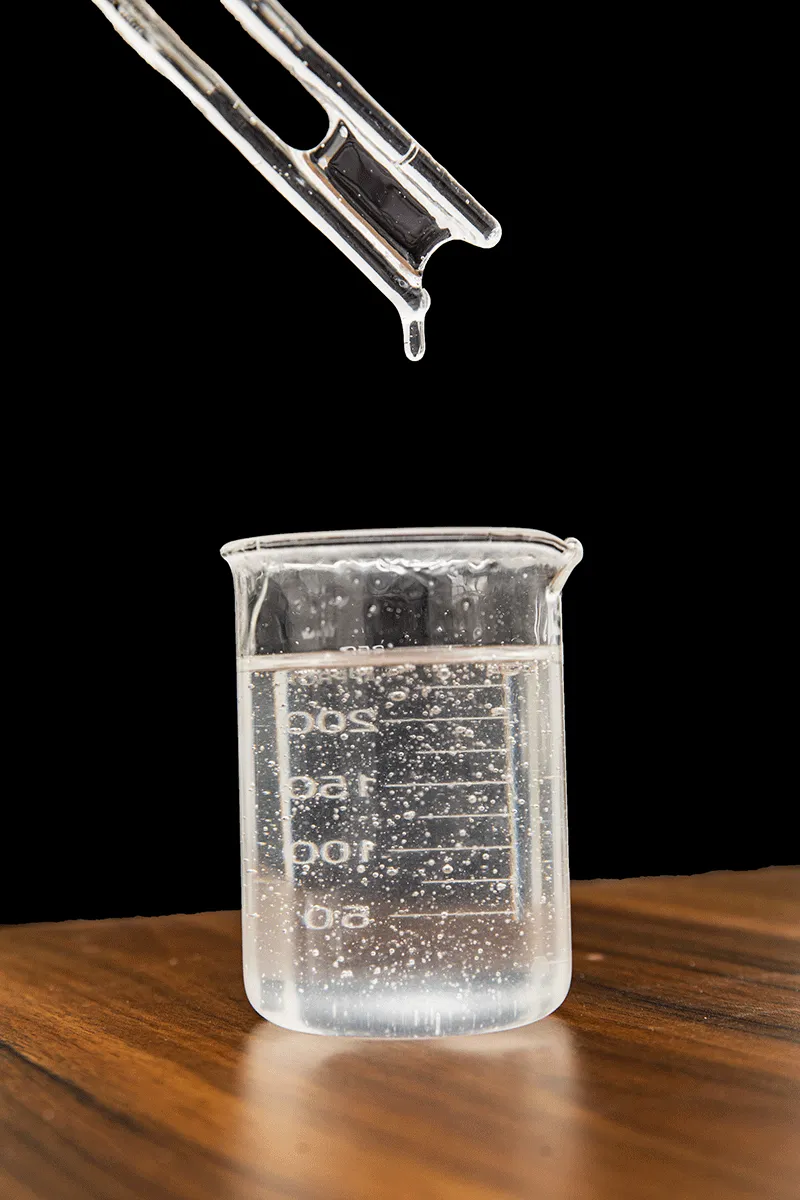
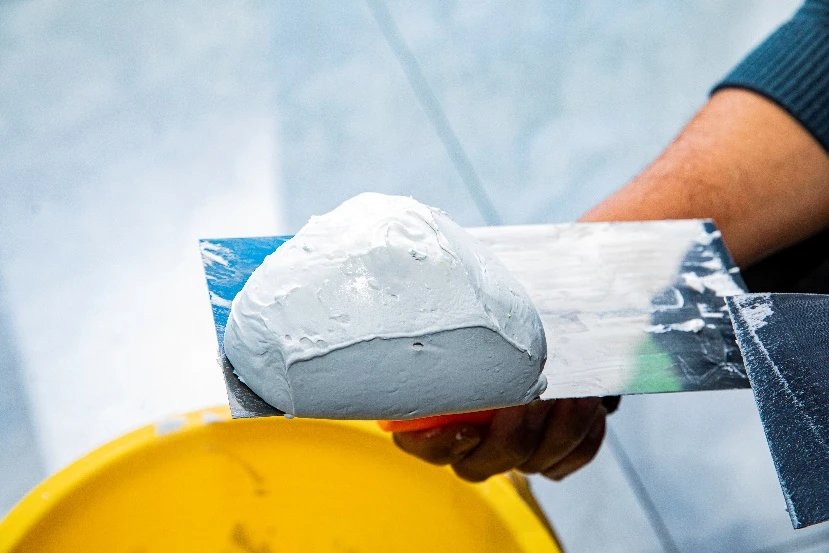
Hydroxypropyl methylcellulose (HPMC) has become an integral component in the construction industry, particularly in the formulation of mortar. With its multifunctional properties, HPMC has revolutionized how mortar performs under various conditions, enhancing its utility and efficiency in building projects. Drawing from extensive industry experience and scientific expertise, this article explores the various facets of HPMC for mortar, focusing on its role, benefits, and application, ensuring a comprehensive understanding that can benefit professionals and enthusiasts seeking authoritative information. Mortar, a pivotal material in construction, requires a balance of viscosity, adhesion, and workability. HPMC, a non-ionic cellulose ether derived from natural cellulose, bridges the gap between traditional mortar components and modern construction needs. Its inclusion in mortar formulations significantly enhances water retention, increases open time, and improves workability — all crucial factors for masonry efficiency and durability. One of the key advantages of HPMC in mortar is its excellent water retention capabilities. This characteristic ensures that water is held within the mortar matrix for extended periods, allowing for better hydration of the cement particles. As a result, the strength of the mortar improves, reducing the risk of cracks and increasing the overall longevity of the constructed element. Professional builders recognize this enhanced strength as a critical facet for ensuring the structural integrity of walls and other structures subjected to various environmental stressors. Moreover, HPMC improves the workability of mortar, which is particularly beneficial during application. A mortar mix that includes HPMC demonstrates superior spreadability, making it easier to apply and adjust. This property is invaluable for masons who require precise placement and alignment during construction activities . It minimizes waste, reduces the effort and time required for application, and therefore, enhances cost-efficiency — a benefit echoed by construction project managers focused on optimizing resources and expenses. Another significant attribute of HPMC is its ability to prolong open time. This refers to the period during which mortar remains workable after being mixed with water. With extended open time, construction workers can undertake more complex tasks without being rushed to complete the mortaring before it sets, ensuring greater accuracy and precision in their work. This feature is particularly advantageous in large-scale projects or specific environments where conditions such as wind and temperature fluctuations can negatively impact setting times. hpmc for mortar The thermal stability of HPMC further adds to its credibility and suitability in various climatic conditions. It adapts well to temperature changes, maintaining performance and consistency. This adaptability ensures that mortar containing HPMC can be reliably used in diverse environments, from hot and arid areas to cold and humid regions, thus extending its application range and making it a versatile choice for global construction needs. In terms of professional expertise, the use of HPMC in mortar requires an understanding of formulation adjustments depending on specific project requirements. Consulting experts who possess expertise in construction chemistry can provide insights into optimizing HPMC content for desired properties. This specialized knowledge ensures that the mortar mix not only meets but exceeds project expectations, leading to superior construction outcomes. Trust in HPMC's efficacy is underpinned by rigorous testing and compliance with international building standards. Its widespread adoption in construction projects across the world attests to its reliability and performance. Trade publications, scientific journals, and case studies consistently highlight HPMC’s advantages, reflecting the trust placed in it by industry professionals. Investing in mortar products enhanced with HPMC signifies a commitment to quality, efficiency, and durability. It positions builders ahead of industry trends, ensuring that their projects are robust, cost-effective, and sustainable. For those seeking to gain a competitive edge in the construction industry, embracing HPMC for mortar is not merely an option but a strategic imperative that aligns with progressive building practices.
advantages
-

200000 Viscosities
Excellent product
We can produce pure products up to 200,000 viscosities
-

40000 tons
High yield
We don’t stop production all year round, and the annual output can reach 40,000 tons
-

24 hours
Quality service
We provide 24-hours online reception service, welcome to consult at any time
———— Inquiry Form
Schedule A services
-
 hydroxypropyl_methylcellulose_in_mortar
Oct . 25, 2025
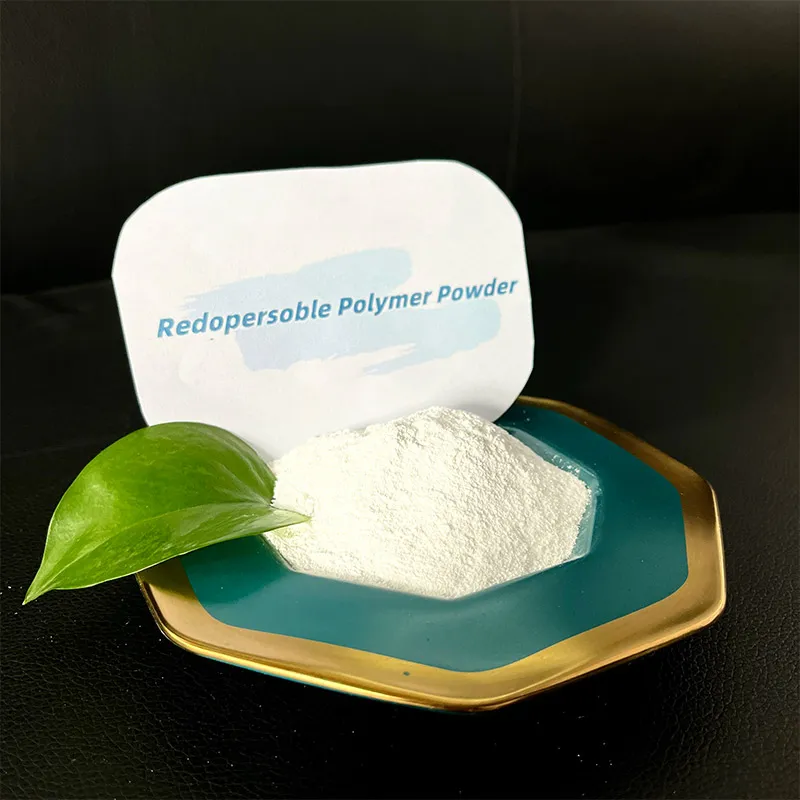
Redispersible emulsion powder (RDP), including redispersible latex powder , polymer powder , VAE red -
 hydroxypropyl_starch_phosphate_curly_hair
Oct . 25, 2025
Hydroxypropyl Methylcellulose (HPMC) has become an indispensable component in various industries due -
 basalt_fiber_in_concrete
Oct . 25, 2025
In today’s competitive construction industry, the demand for high-performance additives has surged,


